.png)
Before you search for an event venue, decide where the event needs to happen, who it needs to work for and what the destination needs to help you achieve.
Venue searches often begin with a familiar list.
Availability. Capacity. Bedrooms. Meeting space. Style. Budget.
All important. But they come after a much bigger decision.
Why is the event happening in the first place? And what choices are going to bring success?
That is the thinking behind a destination-first approach.
It does not mean choosing a destination and forcing the event into it. It means considering the people, purpose, journey and experience before falling for a venue that seems great on the surface, but misses important event objectives.
Destination first. Venue second.
Too often, the destination is treated as a fixed line in the brief. London. Paris. Barcelona. Dubai. Then the search begins for the best venue within it.
But a destination can look perfect on paper and still make the event harder to attend, more expensive to deliver or less relevant to the people invited.
A venue can be beautiful, historic, fashionable or seriously prestigious. It can still be wrong.
Start with who is travelling.
Destination planning should begin with the people making the journey.
Start with the practical questions:
- Will attendees need visas or lengthy transfers?
- Does one central event genuinely make sense, or is it simply the most obvious option?
- Are there blockers with this venue or location that will make it hard for people to attend?
- Where are people travelling from?
- How well connected are those places?
One client initially planned to bring more than 2,500 people together in a single venue. But after comparing that option with three smaller events across major UK cities, the regional model made more sense. It opened up more venue choices and reduced the travel burden for people coming from across the UK and Europe. It simply worked better for the business and its people. The programme adjusted as a result, as did the venue search.
The answer was not a different venue. It was a better event model.
There are clear benefits to bringing everyone together, particularly when the purpose is to unite a business, build culture or create a shared moment. But the decision should be intentional. One large event may create greater collective energy. Regional events may improve attendance, accessibility, choice and create a more intimate and personal experience for attendees.
As Katherine West-Dargon, Head of Venues and Partnerships at Venufindr, explains:
“Sometimes the best destination decision is to question whether everybody needs to be in the same destination. Looking at where people are travelling from can completely reshape the brief.”
Where people are based is only part of understanding them. Culture, religion, language, accessibility, dietary needs, mobility and caring responsibilities can all affect whether a destination feels straightforward and welcoming, or laborious and unappealing. So can local laws and attitudes.
An appealing destination and a fashionable hotel are not enough on their own. Consider whether every attendee will feel safe, respected and comfortable travelling, taking part in social activities and moving around the destination.
The same thinking applies to religious observance, alcohol-led itineraries, accessibility beyond the venue and the assumptions built into the programme.
Accessible on a map does not always mean accessible to the audience.
Remember, every event audience is unique, and every audience needs a venue that works for them.
Decide what the experience should feel like.
For incentives in particular, the destination is a big part of the reward itself.
Before looking at hotels, consider how people should feel when they arrive and what they should remember when they leave. Energised? Recognised? Connected? Surprised? Properly spoilt? Think about how excited (or not) they’ll be when the destination is revealed. Will it give them something worth qualifying for?
A reward should feel like a reward. Not a very nice business trip.
The strongest incentives offer access to experiences people would rarely arrange for themselves. Experiences that feel exclusive, difficult to access and genuinely once-in-a-lifetime.
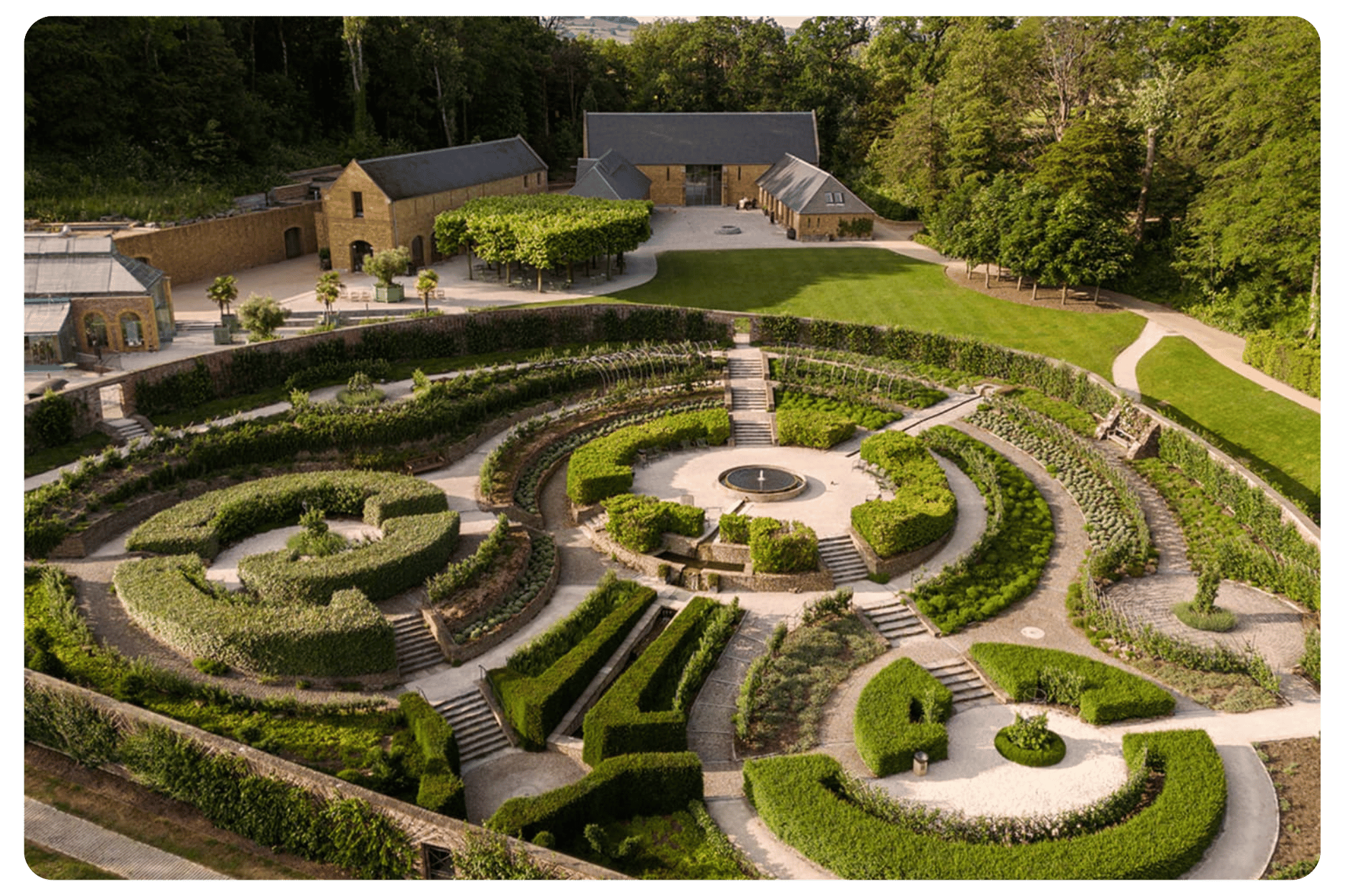
That could mean exceptional cultural access in a city, an adventure in a remote landscape or taking over a countryside estate for experiences rooted in its food, history, culture, craft and surroundings. The destination should help create the feeling, not simply provide an address.
The destination is not the backdrop. It is what creates the experience.
Go where your audience already is
This is also where hospitality can play a more strategic role. If the right people are already travelling to an industry event such as IMEX, Sibos or Cannes Lions, there may be an opportunity to build a dinner, reception or smaller client experience around it.
The experience still needs a reason to exist. Awkwardly attaching drinks to somebody else’s event is not a strategy. But when the right audience is already gathering in one place, it can make sense to take the experience to them. Why? Because they’re more likely to be engaged and therefore attend.
Venues are becoming destinations in their own right.
Hotels and venues have noticed the shift towards experience-led planning.
Attractive bedrooms, polished meeting spaces and good food are no longer always enough to make a property stand out.
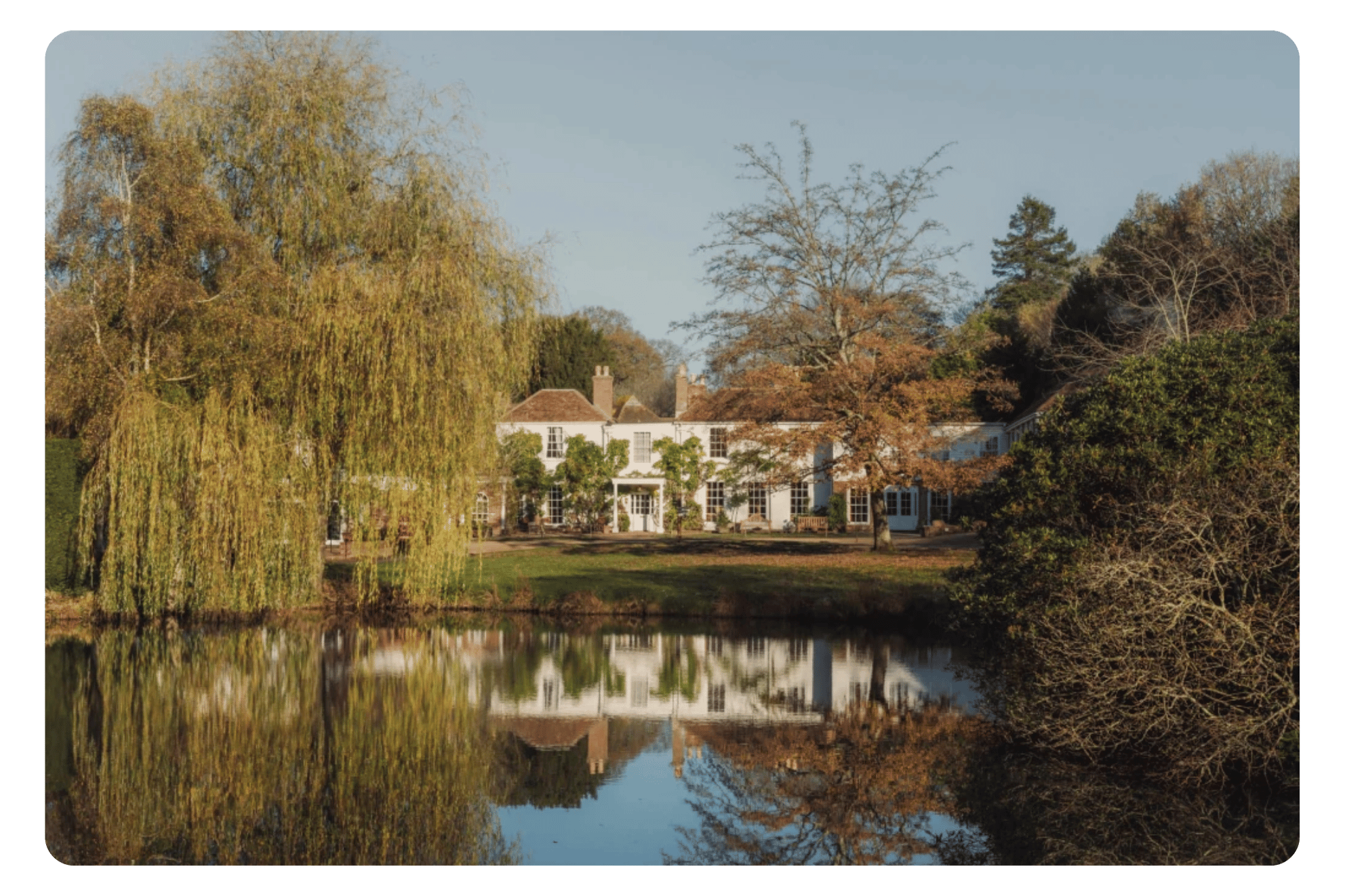
Country properties are building experiences around their landscapes and local character, from foraging and outdoor cooking to craft workshops and estate-to-table dining. City hotels are working with distilleries, galleries, chefs and cultural partners to bring more of the destination into the stay.
Properties such as Crafted at PowderMills and The Newt in Somerset show how much can be built around an estate. Internationally, Six Senses Zighy Bay in Oman uses its location to offer experiences including paragliding from the mountains towards Zighy beach.
Some venues are no longer selling a place to stay. They are selling a reason to go.
That does not undermine the destination-first approach. A venue with enough character and sense of place can become a destination in its own right, with serious appeal.
Just do not be dazzled by the activity list. Axe throwing, wild swimming or a very photogenic fire pit only earn their place if they suit the group and support the purpose. Otherwise, it is just a busier itinerary. There also needs to be enough space in the programme for people to actually enjoy what a specific destination or venue has to offer. Promising an experience and leaving no time to experience it is a fairly reliable way to create disappointment.

Value is bigger than the venue rate.
A lower bedroom rate does not automatically create better value. Neither does a famous postcode.
The comparison needs to include the whole event: accommodation, meeting space, food and beverage, flights, rail, transfers, production, local experiences and the time required to get people there (and recover if needed.)
Katherine explains:
“We look at the overall value, not just the hotel rate. Bedrooms, meeting space, food and beverage, transport, flights and the delegate experience all need to be considered together.”
Looking beyond the most expensive capitals and resorts can release budget to elevate the experience in other ways. For example:
- Unusual dining experiences
- More distinctive activities
- Stronger brand touchpoints
- An additional night
- Special, personal touches
A bigger-name destination does not automatically create a better event.
Warsaw, Budapest or Prague may allow an event budget to work harder than Paris or London. A lesser-known city within a familiar country may offer better availability, more local character and greater freedom to elevate the programme.
This is not about choosing somewhere simply because it is cheaper. A bargain destination that creates difficult journeys, weaker attendance or an underwhelming experience is not a bargain.
Make the decision in the real world.
Political instability, conflict, economic conditions, exchange rates and changing travel guidance can quickly alter what feels sensible.
A destination can be commercially attractive and logistically possible, but still wrong if delegates will not feel safe or welcome. Event organisers have a duty of care. Potential risks need to be anticipated and managed, or the destination can be ruled out altogether.
Uncertainty is also contributing to shorter decision-making windows. Clients understandably want to wait and see what happens. The difficulty is that venues, flights and the best local experiences do not politely wait.
As Katherine puts it:
“Clients may want to wait for greater certainty, but availability does not wait with them. The later the decision, the more the destination can be shaped by what is left rather than what is right.”
Booking early still offers the greatest choice. Where complete certainty is impossible, build flexibility into dates, contracts and formats rather than postponing every decision.
The challenge is knowing what can remain flexible and what needs to be secured early on.
Destination-first starts with the journey.
A destination-first approach is not only about what happens when people arrive.
They still have to get there.
A two-hour flight sounds convenient. Then add the journey to the airport, limited or anti-social departure times and a lengthy transfer at the other end. Suddenly, it has swallowed a day. Exhausted, travel-weary attendees are hardly the foundation of a successful event. The programme may need to allow realistic time to recover before asking for their full attention.
Look beyond the headline flight time. Direct routes, frequency, transfers and realistic door-to-door travel all determine whether a destination truly works.
For some, a central destination reached mainly by rail may be the better choice. For others, regional events could reduce long and unnecessary journeys. It depends on where people are travelling from, not simply where the organiser would like them to end up.
The environmental difference can also be significant. Eurostar reports that travelling by train between London and Paris produces 97% lower emissions per passenger than flying. The figures are 96% for London to Brussels and 95% for London to Amsterdam, based on an independent 2024 study.
Rail will not always be cheaper, quicker or practical for every attendee. But the journey belongs in the comparison, not at the bottom of the to-do list once the venue contract is ready to sign.
Sometimes, it can become part of the experience itself. An overnight sleeper train or group rail journey creates time together before anyone arrives, turning travel from a logistical necessity into the opening chapter of the event.
A destination only works if the journey does too.
Then choose the venue.
Once the audience, purpose, experience, accessibility, value, safety and environmental impact have been considered, the venue brief becomes much sharper.
Instead of “find us somewhere impressive in Barcelona”, it might become “find a destination that is well connected for our European teams, within an hour’s transfer of their arrival point and capable of building anticipation, while leaving enough budget to create an experience beyond the meeting room.”
It may still lead to Barcelona. It could lead to Lisbon, Manchester, Budapest or a countryside estate in rural France that can hold the entire experience on site. It may reveal that one large gathering is right, or that three smaller ones will better deliver the desired outcomes.
Only then should capacity, bedrooms, spaces, rates and availability decide the shortlist.
The important thing to take away?
The right venue search starts before the venue search.
At Venufindr, we take a destination-first approach, comparing locations as well as venues and looking at the whole experience and the practicalities behind it. Bring us the brief, even if you have not decided where the event should happen. That may be where we add the most value.
Do not start with where you have always gone. Start with where this event needs to take people.